
Selecting the right network cable is essential for building a reliable, high-performance network. Whether you’re wiring a home office or an enterprise data center, here’s how to make the best choice.
For home or standard office environments, Cat 5e or Cat 6 cables are more than sufficient. They support speeds up to 1 Gbps and offer excellent value. Opt for UTP (Unshielded Twisted Pair) cables from reputable brands—these are cost-effective and perform well in low-interference settings.
If you’re involved in new construction or want future-proofing, go with Cat 6 or Cat 6A. Cat 6A supports 10-Gigabit networks over 100 meters, making it ideal for upcoming bandwidth demands without the need for immediate upgrades.
In enterprise or data center settings where speed, reliability, and scalability are critical, choose Cat 6A or Cat 8. Cat 8 supports 25G/40Gbps over short distances and is designed for high-density server environments.
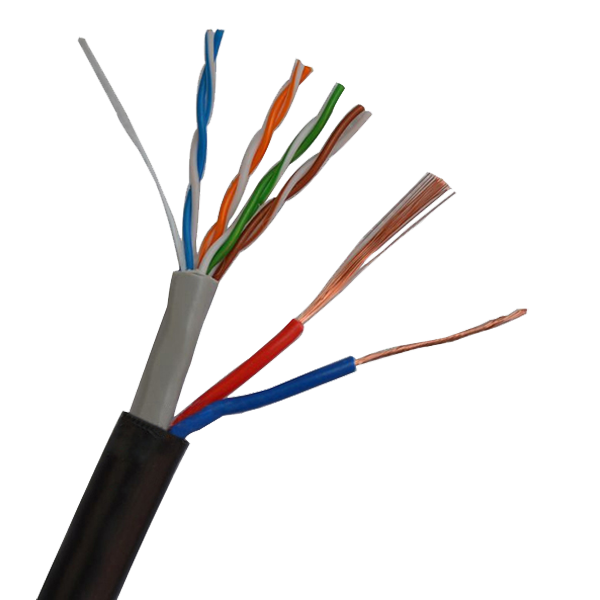
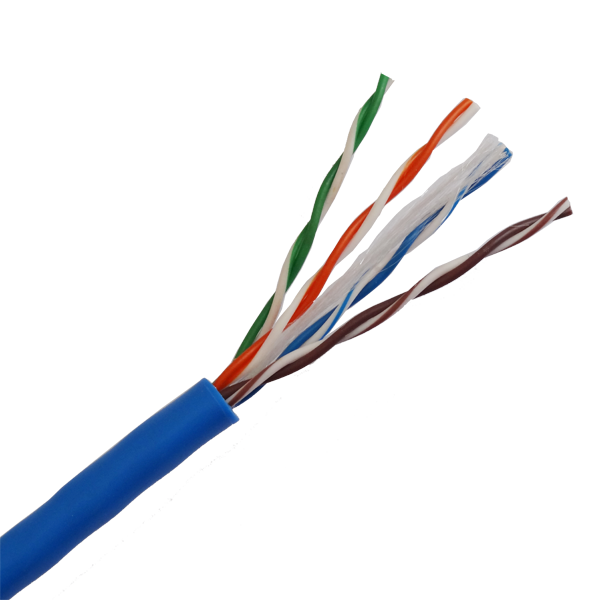
For high-interference environments—such as industrial areas or near heavy machinery—use FTP/STP shielded cables. Shielding reduces electromagnetic interference, but ensure proper grounding to avoid safety risks and signal issues.
When deploying Power over Ethernet (PoE) devices like wireless access points or security cameras, always use cables with pure copper conductors and 23/24 AWG gauge. Avoid CCA (Copper-Clad Aluminum) cables—while cheaper, they have higher resistance, leading to power loss, overheating, and potential fire hazards.
In summary: match your cable to your needs. Use UTP CAT5E or CAT6 for everyday use, upgrade to CAT6A or CAT7 for future readiness, and never compromise on quality—especially for PoE and high-demand applications. The right network cable ensures speed, safety, and long-term performance.