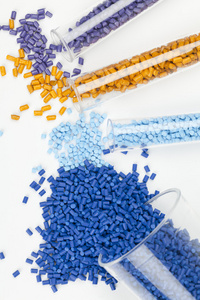
Wires and cables are everywhere, from the wiring within our home walls, to the roaring machinery in factories, to cross-sea high-voltage power transmission. A seemingly simple cable actually has a complex structure, of which the two most core parts are the insulation layer and the sheath layer. They act like the cable’s “skeleton” and “outerwear,” determining whether the cable can transmit power or signals safely and stably.
Today, let’s delve into the types, characteristics, and suitable applications of cable insulation and sheath materials in an easy-to-understand way.
1. Insulation Materials: The Faithful Guardians of Current
The insulation layer wraps around the conductor (usually copper or aluminum) and its main function is to prevent current leakage, ensuring that electrical energy is transmitted only along the conductor. Therefore, insulation materials must possess extremely high electrical resistance and appropriate dielectric strength.
1.1 Polyvinyl Chloride (PVC) –The All-Rounder
Polyvinyl Chloride is probably one of the plastics we are most familiar with. It is inexpensive, resistant to acids, alkalis, and aging, and has a certain degree of flame retardancy. It is extremely widely used in everyday low-voltage wires (like the BV wire used in home wiring).
Advantages: Low cost, easy to process, good mechanical properties.
Disadvantages: Contains halogens, releases large amounts of black smoke and toxic gases when burned. The temperature rating is usually only 70°C, and it tends to soften and deform at high temperatures.
Application Scenarios: General building wiring, internal connections for household appliances, control cables for non-critical voltage levels.
1.2 Polyethylene (PE) and Cross-linked Polyethylene (XLPE) – The Kings of Electrical Performance
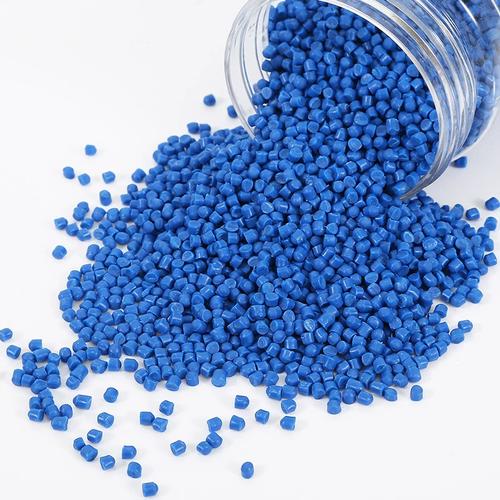
The insulating properties of Polyethylene are superior to PVC, with low dielectric loss and excellent moisture resistance. However, its heat resistance is average (typically around 70°C), and its mechanical strength is not particularly high.
To overcome this shortcoming, scientists invented Cross-linked Polyethylene. Through chemical or physical methods, the PE molecular chains are linked into a network structure, significantly enhancing the material’s heat resistance (long-term operating temperature can reach 90°C), while also greatly improving mechanical strength and aging resistance.
Advantages: Extremely high insulation resistance, very low dielectric loss; XLPE offers good heat resistance and allows for high current-carrying capacity.
Disadvantages: PE has poor heat resistance; XLPE damage is difficult to repair once punctured, and impurity control during manufacturing for high-voltage XLPE is critical.
Application Scenarios: XLPE is the mainstream insulation material for medium and high-voltage power cables (6kV to 500kV) and is also an upgraded choice for many low-voltage cables.
1.3 Rubber– The Flexibility Expert
Rubber-type materials are inherently soft and elastic, making them ideal for applications requiring frequent bending and movement. Common rubber insulations include natural rubber, ethylene propylene rubber (EPR), and silicone rubber.
Advantages: Extremely flexible, resistant to bending fatigue; some types (like silicone rubber) offer excellent high and low-temperature performance.
Disadvantages: Relatively low mechanical strength, generally higher cost than PVC.
Application Scenarios: Cables for mobile electrical equipment (e.g., welder cables), mining cables, marine cables, high-temperature or cold-resistant environments.
1.4 Fluoroplastics (FEP/PFA, etc.) – The Specialty Vanguard
Fluoroplastics are the “aristocrats” of the plastic world. They resist almost all chemicals, have an extremely wide operating temperature range (-80°C to 260°C), and offer very stable electrical properties.
Advantages: Resistant to ultra-high temperatures, ultra-low temperatures, strong corrosion, and are non-flammable.
Disadvantages: Very expensive, difficult to process.
Application Scenarios: Aerospace wires, cables for high-temperature furnaces, critical instrumentation lines in chemical plants, sensor leads, and other extreme environments.
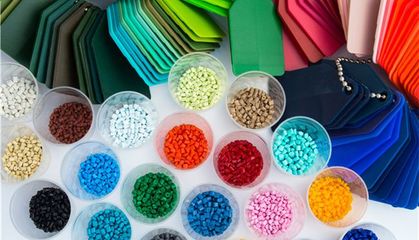
1.5 Low Smoke Zero Halogen (LSZH) Materials – The Safety and Environmental Pioneers
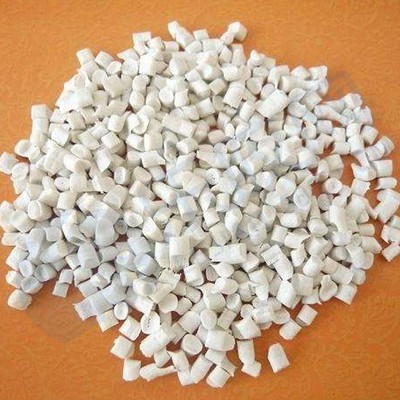
Common PVC burns and releases large amounts of toxic smoke, which can easily cause asphyxiation in fires. Low Smoke Zero Halogen materials (typically specially formulated polyolefins) produce minimal smoke and release no toxic halogen gases when burned, buying precious time for evacuation during a fire.
Advantages: Low smoke, non-toxic, and environmentally friendly during combustion.
Disadvantages: Mechanical and electrical properties are usually slightly inferior to equivalent PVC grades, and the cost is somewhat higher.
Application Scenarios: Subways, high-rise buildings, hospitals, data centers, ships, and other densely populated or critical locations.
2.1 PVC Sheath – The Popular Choice
The sheath is the outermost layer of the cable. It protects the insulation and conductor from damage by moisture, chemicals, UV radiation, mechanical damage, and other external factors. Many sheath materials are the same as insulation materials, but sheaths focus more on mechanical protection and environmental resistance.
2.1 PVC Sheath – The Popular Choice
PVC sheathing, like PVC insulation, is the most common sheath material. It provides basic water resistance, oil resistance, and flame retardancy at a low cost.
Advantages: Inexpensive, flexible, easy to process.
Disadvantages: Becomes hard and brittle at low temperatures, deforms easily at high temperatures, and presents the same issue of toxic halogen smoke.
Application Scenarios: General indoor cables, budget-friendly cables, applications without special environmental requirements.
2.2 Polyethylene (PE) Sheath – The Moisture Barrier
PE has extremely low water absorption and good insulating properties, making it particularly suitable for direct burial cables. High-Density Polyethylene (HDPE) is harder and more wear-resistant.
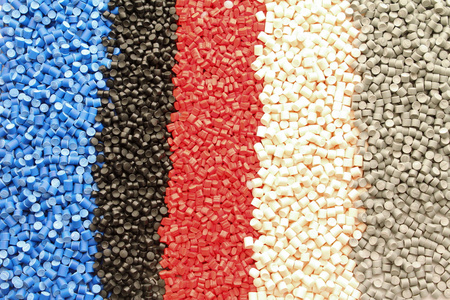
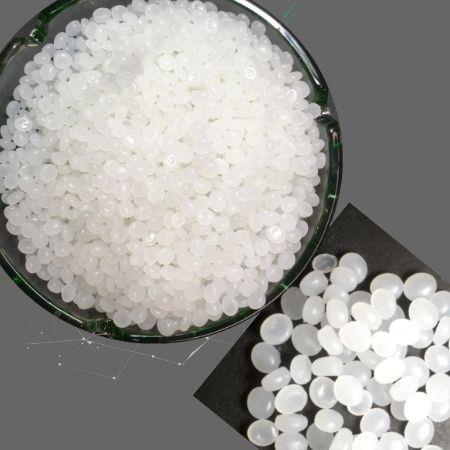
Advantages: Excellent moisture resistance, good electrical insulation; HDPE offers high mechanical strength.
Disadvantages: Not oil-resistant, susceptible to UV degradation (requires carbon black addition), less flexible than PVC.
Application Scenarios: Communication cables, underground power cables, cables with strict moisture resistance requirements.
2.3 Polyurethane (PUR) Sheath – The Wear-Resistance Champion
Polyurethane is the “workhorse” of sheath materials. Its most significant feature is wear resistance, combined with excellent oil resistance, low-temperature flexibility, and tear resistance.
Advantages: Extremely strong mechanical properties, wear resistance far surpassing other plastics, oil-resistant, halogen-free, remains flexible at low temperatures.
Disadvantages: Higher cost, demanding processing requirements, hydrolysis resistance depends on the specific formulation.
Application Scenarios: Industrial robot cables, cables for drag chain systems, machine tool cables, applications frequently in contact with oil or requiring repeated bending.
2.4 Thermoplastic Elastomers (TPE/TPU, etc.) – The Balance of Flexibility and Strength
TPEs combine the elasticity of rubber with the processability of plastics. They feel soft, have good weather and chemical resistance. They maintain excellent flexibility at low temperatures, unlike PVC which becomes stiff.
Advantages: Soft, good elasticity, halogen-free, weather-resistant, excellent low-temperature performance.
Disadvantages: Wear resistance is not as good as PUR, heat resistance is generally moderate.
Application Scenarios: Cables used in cold regions, power tool cords, cables for portable devices.
2.5 Metallic and Composite Sheaths – The Ultimate Protection
For extra-high voltage cables or cables in special environments, metallic sheaths are sometimes used, such as lead sheaths, corrugated aluminum sheaths, or steel tape armor. Metallic sheaths provide absolute moisture sealing, extremely high mechanical protection, and can also serve as a path for short-circuit currents.
Advantages: Zero moisture permeability, extremely high mechanical strength, protection against electromagnetic interference.
Disadvantages: Heavy weight, large bending radius, high cost, complex installation.
Application Scenarios: Submarine cables, extra-high voltage land cables, crossing areas with large elevation differences or high risk of mechanical damage.